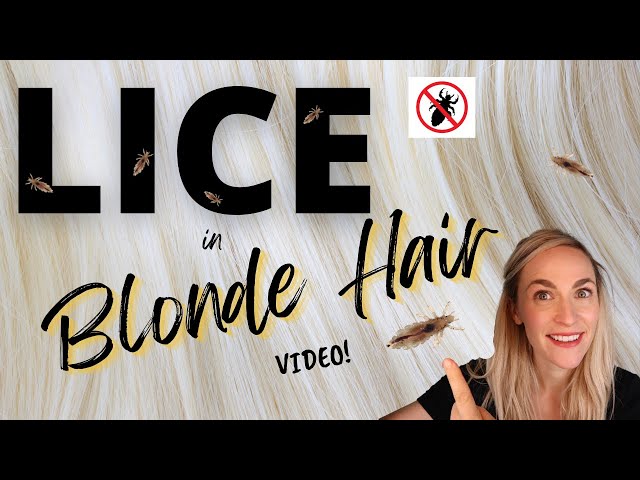
Knowing what lice look like in blonde hair can help detect and treat infestations effectively. These tiny insects appear as small, white or yellowish specks that move quickly through hair strands.
Identifying lice in blonde hair is crucial for preventing the spread of infestations. Early detection allows for prompt treatment, reducing the risk of complications and promoting scalp health. Historically, lice have been a common issue, affecting individuals of all ages and backgrounds, underscoring the importance of understanding their appearance.
This article will delve deeper into the characteristics of lice in blonde hair, discussing their size, shape, and movement, to aid in accurate identification and effective management of infestations.
What Does Lice Look Like in Blonde Hair
Identifying the appearance of lice in blonde hair is essential for effective detection and treatment of infestations. Understanding key aspects of their characteristics helps in accurately recognizing these tiny insects.
- Size: Minute, measuring about 1-2 millimeters in length.
- Color: Appear as white or yellowish specks.
- Shape: Flattened oval body.
- Movement: Move quickly through hair strands.
These aspects provide a comprehensive understanding of what lice look like in blonde hair. Their small size and light color can make them difficult to spot, while their rapid movement may also hinder detection. However, by being aware of these characteristics, individuals can increase their chances of identifying infestations promptly, leading to timely treatment and prevention of further spread.
Size
Understanding the size of lice is crucial for detecting infestations in blonde hair. Their diminutive nature can make them difficult to spot, but knowing their approximate dimensions aids in accurate identification.
- Length: Lice measure between 1-2 millimeters in length, which is roughly the size of a sesame seed.
- Width: They are slightly wider than they are long, giving them an oval shape.
- Visibility: Due to their small size, lice can be challenging to see with the naked eye, especially in blonde hair where they may blend in with the lighter strands.
Recognizing the size of lice is essential for effective detection and treatment. Regular hair checks, especially in children who are more prone to infestations, can help identify lice before they multiply and cause significant discomfort or health issues.
Color
The color of lice in blonde hair plays a pivotal role in their identification. Understanding the various aspects of their coloration helps in differentiating them from other scalp conditions and ensures accurate diagnosis.
-
Nymph Color:
Nymphs, the immature stage of lice, are typically lighter in color, appearing as white or transparent specks. They are smaller than adult lice, making them even more challenging to detect.
-
Adult Color:
Adult lice are usually darker, ranging from light brown to yellowish-white. Their color can vary depending on the hair color of the individual, with darker lice being more common in those with darker hair.
-
Eggs:
Lice eggs, also known as nits, are oval-shaped and firmly attached to hair shafts. They appear white or yellowish, resembling tiny grains of sand or dandruff. Empty nits may be lighter in color, while viable nits may have a darker hue.
Recognizing the color variations of lice and their eggs is essential for effective detection and treatment. Regular hair checks, especially in well-lit areas, can aid in identifying these parasites, even if their small size and ability to blend in with blonde hair pose challenges. Early detection can minimize the risk of infestation spread and ensure prompt treatment.
Shape
The shape of lice is a defining characteristic that aids in their identification, especially in blonde hair where their light coloration may pose challenges. Understanding the various aspects of their body shape provides a comprehensive understanding of their physical attributes.
-
Dorsal Surface:
The dorsal surface of lice, the top or back side, is arched and heavily sclerotized, providing protection and rigidity to their bodies.
-
Ventral Surface:
The ventral surface, the underside, is flattened, allowing lice to move swiftly through hair strands and making them difficult to grasp.
-
Head:
The head of lice is relatively small and rounded, with antennae and piercing mouthparts used for feeding.
-
Thorax:
The thorax is the middle section of the body, which bears six legs adapted for clinging to hair shafts.
The flattened oval body shape of lice, coupled with their small size and ability to blend in with blonde hair, can make them challenging to detect. However, recognizing the distinct shape and other characteristics of lice is crucial for accurate identification and effective treatment of infestations.
Movement
The movement of lice through hair strands is an essential aspect of understanding their appearance in blonde hair. Their ability to move quickly and efficiently affects their visibility and detection. Several factors contribute to their rapid movement:
- Claws: Lice possess sharp claws that allow them to grasp onto hair shafts, enabling them to move swiftly and securely through the hair.
- Flattened body: The flattened shape of lice allows them to move easily between hair strands without getting entangled or hindered.
- Repulsion: Lice exhibit a mutual repulsion towards each other, which contributes to their constant movement and dispersal throughout the hair.
The rapid movement of lice in blonde hair can make them challenging to detect, especially during casual visual inspections. Their small size and light coloration further aid in their ability to evade detection. However, understanding their movement patterns can assist in effective identification and treatment.
Practically, recognizing the movement of lice can guide the methods used for detection. Using a fine-toothed comb and examining the hair in well-lit conditions can increase the chances of spotting lice. Additionally, employing a magnifying glass or lice detection device can enhance the visibility of these insects and their eggs.
Frequently Asked Questions
This section addresses common queries and misconceptions regarding the appearance and characteristics of lice in blonde hair.
Question 1: How small are lice?
Adult lice are typically 1-2 millimeters in length, roughly the size of a sesame seed. Nymphs, the immature stage of lice, are even smaller, making them more challenging to detect.
Question 2: What color do lice appear in blonde hair?
Lice in blonde hair often appear white or yellowish-white. Nymphs may be lighter in color, while adult lice can range from light brown to yellowish-white, depending on the individual's hair color.
Question 3: What is the shape of lice?
Lice have a flattened oval body, which allows them to move easily through hair strands. The dorsal surface is arched and heavily sclerotized for protection.
Question 4: Do lice move quickly?
Yes, lice are capable of moving quickly through hair. Their sharp claws and flattened bodies enable them to grasp and move efficiently between hair strands.
Question 5: Can lice be seen with the naked eye?
Adult lice can be visible to the naked eye, especially during close examination. However, nymphs and eggs are smaller and may require a magnifying glass or lice detection device for easier identification.
Question 6: How can I differentiate between lice and dandruff?
Dandruff typically appears as white or yellowish flakes that can be easily brushed away from the hair. Lice, on the other hand, are small insects that move and cling to hair shafts.
These FAQs provide essential information about the appearance and characteristics of lice in blonde hair. Understanding these aspects enables effective detection and treatment of lice infestations.
In the next section, we will explore the life cycle and habits of lice, providing further insights into their behavior and the measures necessary for successful lice management.
Tips for Managing Lice in Blonde Hair
To effectively manage lice infestations in blonde hair, implementing specific measures is crucial. The following tips offer practical guidance to help control and eliminate lice:
Tip 1: Regular Hair Checks
Inspect the hair regularly, especially after participating in activities or spending time in environments where lice are common.
Tip 2: Use a Fine-Toothed Comb
Use a fine-toothed comb to remove lice and nits from the hair. Comb thoroughly from the roots to the ends, paying close attention to areas behind the ears and the nape of the neck.
Tip 3: Wash Bedding and Clothing
Wash bedding, towels, and clothing that have come into contact with the infested individual in hot water and dry them using the highest heat setting possible to kill lice and eggs.
Tip 4: Vacuum Thoroughly
Vacuum carpets, furniture, and any other surfaces where lice or nits may have fallen to prevent re-infestation.
Tip 5: Isolate Infested Individuals
To prevent the spread of lice, isolate infested individuals and avoid sharing personal items such as combs, brushes, or hats.
Tip 6: Seek Professional Treatment
If home remedies do not resolve the infestation, consult a healthcare professional for medical treatment options.
Summary:By following these tips, individuals can effectively manage lice infestations in blonde hair. Regular hair checks, thorough cleaning, and appropriate treatment measures are essential for eliminating lice and preventing their recurrence.
The final section of this article will provide additional information on the prevention and control of lice infestations, reinforcing the importance of proactive measures and effective management strategies.
Conclusion
This article explored the characteristics of lice in blonde hair, aiding in their effective identification and management. Understanding their size, color, shape, and movement, as well as the factors affecting their visibility, is crucial for successful lice detection and treatment.
By recognizing the distinct features of lice in blonde hair, individuals can take proactive measures to prevent infestations and respond appropriately if they occur. Regular hair checks, proper hygiene practices, and prompt treatment are essential to maintain scalp health and prevent lice-related issues.



No comments:
Post a Comment